
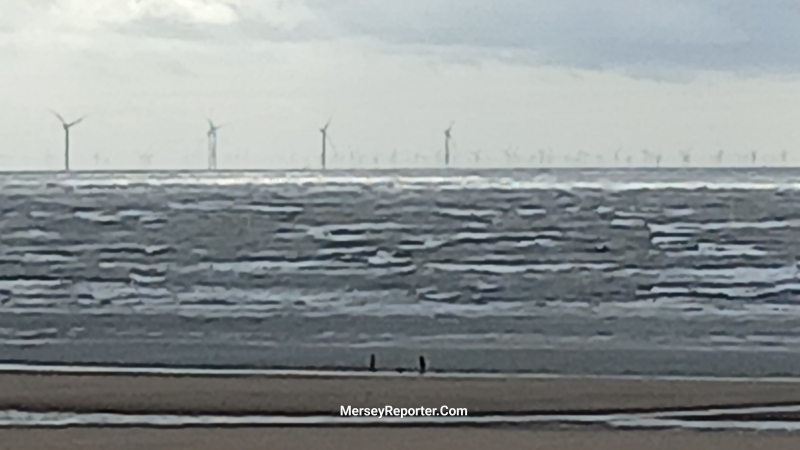
To earn an international Blue Flag award, a beach must secure an:- "Excellent" bathing water classification calculated over a:- 4 year rolling average. Heavy river borne concentrations of:- Escherichia coli (E. coli), intestinal enterococci, agricultural run off, and untreated storm sewer overflow waste routinely drag local ratings down to:- "Good," "Sufficient," or "Poor" status.
Across Merseyside, historical losses, and ongoing downgrades highlight the coastal impact. Ainsdale Beach, in Sefton, historically the only beach in the North West of England ever to achieve:-'Blue Flag' status, is blocked by sustained chemical and bacterial loads from the:- Mersey and Alt catchments, forcing:- Sefton Council to settle for secondary, by:- 'Keep Britain Tidy - Seaside Awards.'
Formby remains under frequent dynamic pollution alerts caused by combined sewer overflows discharging upstream during heavy rainfall, while:- Crosby Beach is permanently red flagged and closed to swimming entirely, due to:- hazardous tides and river mouth water contamination.
Along the Wirral coastline, Meols has dropped from an:-"Excellent"to a:- "Good" rating, Wallasey sits at:- "Good," and West Kirby suffered an environmental downgrade from:- "Good" to "Sufficient" following elevated bacterial counts. In Southport, beaches suffer from:- short term urban and agricultural pollution, keeping water quality capped at:- "Good."
In a striking ecological contrast to open beaches, Liverpool’s historic:- South Docks, including:- the Royal Albert Dock and Salthouse Dock, have successfully retained their:- 'Blue Flag Marina' status. This difference stems from the structural isolation of the dock system. While open beaches like:- Ainsdale, Formby, and West Kirby are fully exposed to open tidal flushing and river discharge plumes that carry bacterial spikes and chemical run off, the:- South Docks operate as enclosed water bodies managed by lock gates. Furthermore, heavy populations of natural blue mussels within the Docks actively clean the water column independent of raw river flow.
National assessments by the Environment Agency reveal that only:- 14% to 15% of English rivers achieve a:- "Good" ecological status, with 0% meeting clean chemical standards. Archival seaweed sampling across the Mersey Estuary shows that nitrogen and untreated sewage pollution levels have climbed back toward peak highs last seen during the heavily polluted in the 1980s.
Official Event Duration Monitoring data logged by:- United Utilities highlights the scale of localised discharges, showing that monitored overflows along the main Mersey waterway discharged raw untreated sewage:- 1,256 times over a cumulative duration of:- 5,912 hours; estuary outfalls registered:- 516 individual spills totalling:- 1,689 hours of active discharge, while the Liverpool Wastewater Treatment Works outfall logged:- 150 separate spills totaling:- 1,037 hours. Upstream at Bromborough on the Wirral, the treatment works logged hundreds of spills exceeding:- 2,500 total hours of raw discharge..
Environmental failure is equally acute along the:- River Alt catchment, where:- Environment Agency Water Framework Directive data shows that:- 97% of water bodies fail target standards. The Alt failed 100% of chemical testing due to:- legacy heavy metals which are lodged in riverbed silt and constant vehicle chemical stress along the:- M57 motorway corridor. High agricultural runoff from low lying West Lancashire farms introduces excess phosphates that stimulate heavy weed growth and choke dissolved oxygen, while point source overflows and pipe misconnections add continuous human waste. Draining into the sea at:- Hightown, via the:- Altmouth Pumping Station, the heavily culverted river lacks natural flow dynamics. In response, the Mersey Rivers Trust is currently running a:- £2.1 million Natural Flood Management programme scheduled through 2027 to construct natural wetlands and evaluate old weir removals.
Monitored jointly by the Environment Agency and Natural Resources Wales, the River Dee failed:- 100% of chemical pollution tests due to persistent industrial toxins. Excess phosphorus from:- upper catchment fertilisers, livestock waste, and sewage outfalls managed by:- Dŵr Cymru Welsh Water and United Utilities has triggered house building moratoria in areas like:- Wrexham due to strict nutrient neutrality laws. Sampling along recreational stretches at:- Sandy Lane bend in Chester detected high levels of:- E. coli, intestinal enterococci, high biochemical oxygen demand, and degraded trophic diatom index scores. To counter this, the multi million pound:- "LIFE Dee River Project" has removed obsolete river barriers, planted over:- 20,000 trees, and installed fencing along:- 46 kilometres (28.5 miles) of riverbanks to prevent livestock waste entering the channel, while campaigners continue pushing for official designated bathing water status at:- Sandy Lane.
Further North, the Environment Agency classifies:- 86% of the River Ribble catchment as failing standard ecological criteria, with:- 100% failing chemical tests due to accumulated:- mercury and polybrominated diphenyl ethers. The inland bathing site at Edisford Bridge in Clitheroe officially failed government testing with a:- "Poor" rating, with high bacterial spikes traced to agricultural and sewage sources up to:- 32 kilometres (19.9 miles) upstream. Nitrate and phosphate loads from the Ribble Valley drain into feeder tributaries; such as:- the River Calder, River Hodder, and Savick Brook; before discharging into the:- Preston Estuary and impacting Northern Merseyside Waters. In response, the Ribble Rivers Trust leads the:- "Safe to Splash" campaign to mandate infrastructure upgrades, while the:- Ribble Fisheries Conservation Association operates real time monitoring sondes to track:- dissolved oxygen, turbidity, and ammonium levels.
Residents and beachgoers across Merseyside can monitor storm overflow discharges and coastal safety in real time using public tracking tools, including:- the 'United Utilities Live Map,' along with the:- 'Surfers Against Sewage Safer Seas,' and 'Rivers Service' mobile application (which alerts users when a sewage overflow triggers within a:- 48 hour window of bathing waters), and the Rivers Trust national map for non-tidal tributaries.
What are your thoughts on this? Please let us know your views on this growing challenge and how can we clean up our Rivers and Beaches?